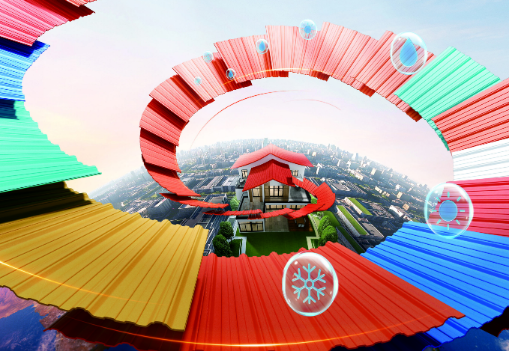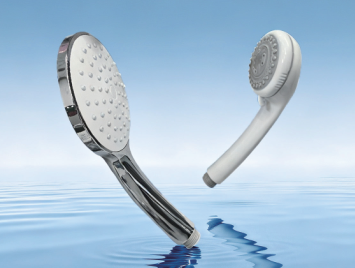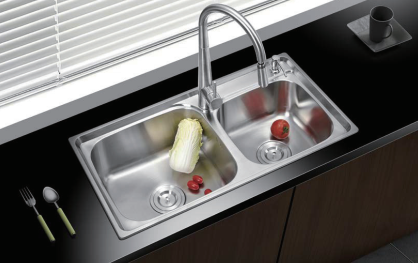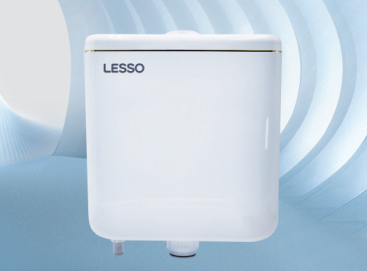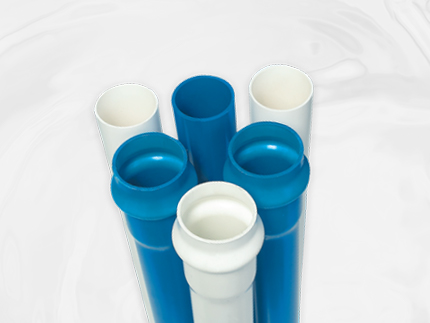
Waterproofing materials are construction chemicals, coatings, membranes, and sealants used to prevent water penetration into buildings and structures. They protect concrete, masonry, metal, wood, and other substrates from moisture, leakage, and water damage.
Residential: Bathrooms, kitchens, balconies, roofs, basements, walls, and floors.
Hospitality: Hotels, resorts, guesthouses, and serviced apartments.
Commercial: Offices, shopping malls, restaurants, parking garages, and warehouses.
Public Facilities: Hospitals, schools, airports, stadiums, swimming pools, and water tanks.
Infrastructure: Tunnels, bridges, subways, dams, retaining walls, and sewage treatment plants.
Industrial: Factories, chemical plants, laboratories, and storage facilities.
Outdoor: Terraces, patios, gardens, decks, foundations, and external walls.
Excellent Water Resistance: Prevents leakage, seepage, and moisture penetration.
Strong Adhesion: Bonds well to concrete, masonry, metal, wood, and ceramics.
Flexibility & Crack Bridging: Adapts to minor structural movement and cracks.
Weather Resistance: Withstands UV, rain, heat, cold, and aging.
Chemical Resistance: Resistant to some acids, alkalis, salts, and pollutants.
Seamless Application: Easy to apply by brush, roller, spray, or trowel.
Durable & Long-Lasting: Reduces maintenance and repair costs.
Eco-Friendly Options: Low-VOC, odorless, and environmentally friendly formulations.
Compatible: Can be tiled, painted, or finished over after curing.
Customizable: OEM/ODM support for colors, packaging, formulations, and specifications.
testtesttesttesttest
| SAP Number( white / 5 . 8M ) | SAP Number( blue / . 8M ) | S | SDR | dn(mm) | en(mm) |
| 8010011715 | 8010010059 | 16 | 33 | 63 | 2.0 |
| 8010011715 | 8010010059 | 16 | 33 | 63 | 2.0 |
| 8010011715 | 8010010059 | 16 | 33 | 63 | 2.0 |
TOP